
Recycled Fibre in Packaging Paper
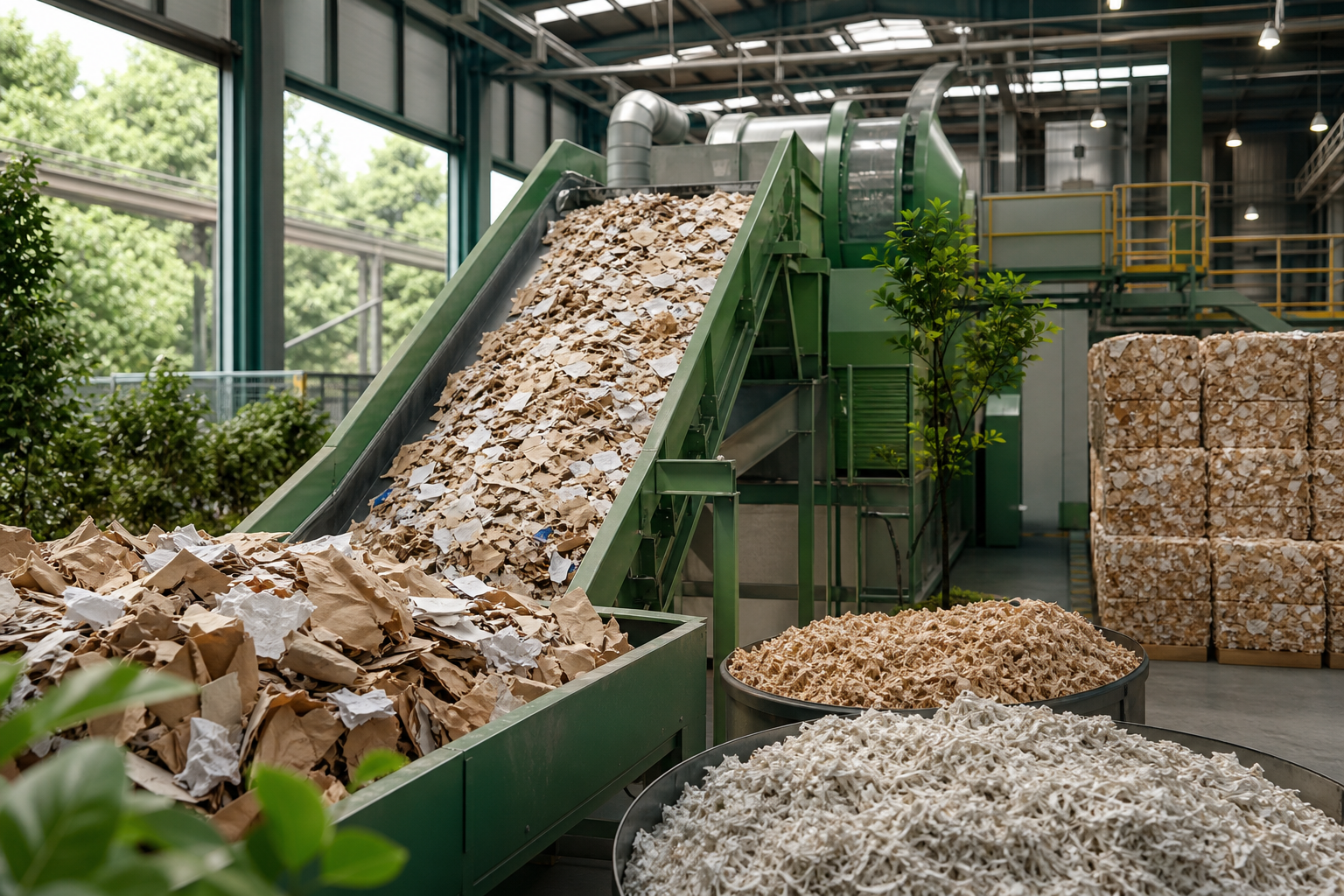
Recycled fibre is central to circular packaging narratives—and to cost management in many corrugated programmes. Used well, it lowers environmental impact; used without control, it can surprise converters with variable runnability and strength.
Why converters adopt recycled content
Brand owners increasingly request recycled content declarations for retail and export packaging. Recycled furnish can reduce reliance on virgin pulp and align with EPR and sustainability reporting in several markets.
However, “recycled” is not one grade—it spans OCC, mixed office waste, and post-industrial trim, each with different strength and cleanliness profiles.
Strength and quality considerations
Recycled fibres are shorter than virgin kraft fibres on average. That can reduce tear and burst unless the mill compensates with refining, layering, or blending ratios. Expect tighter process control on:
- BF and RCT versus historical virgin-only programmes
- Shade consistency (more visible in golden shade programmes)
- Contaminants (stickies, ash) that affect corrugator downtime
Corrugator impacts
On the floor, recycled-heavy sheets may differ in moisture pick-up and glue demand. Allow tuning time when switching furnish source—even at the same nominal BF/GSM.
Pair recycled strategy with warehouse discipline: moisture and storage of kraft reels matters more when fibre quality varies.
How Nexa Papers approaches sustainability
We discuss fibre goals openly on our Go green page. If your brand mandates recycled content, share target percentages, required documentation, and performance minimums (ECT/BCT or BF/GSM floors).
We manufacture natural and golden craft paper from Morbi with programme discipline—trials precede large volumes so both mill and converter agree on runnability.
Specifying recycled programmes with customers
When selling boxes downstream, clarify:
- Whether recycled content is post-consumer, post-industrial, or mixed
- Which tests certify performance (not just fibre percentage)
- How shade variation will be managed in retail-facing SKUs
Conclusion
Recycled fibre belongs in modern packaging—but it requires the same engineering rigour as virgin programmes. Plan trials, document performance, and align mill capability before marketing recycled claims on the carton.