
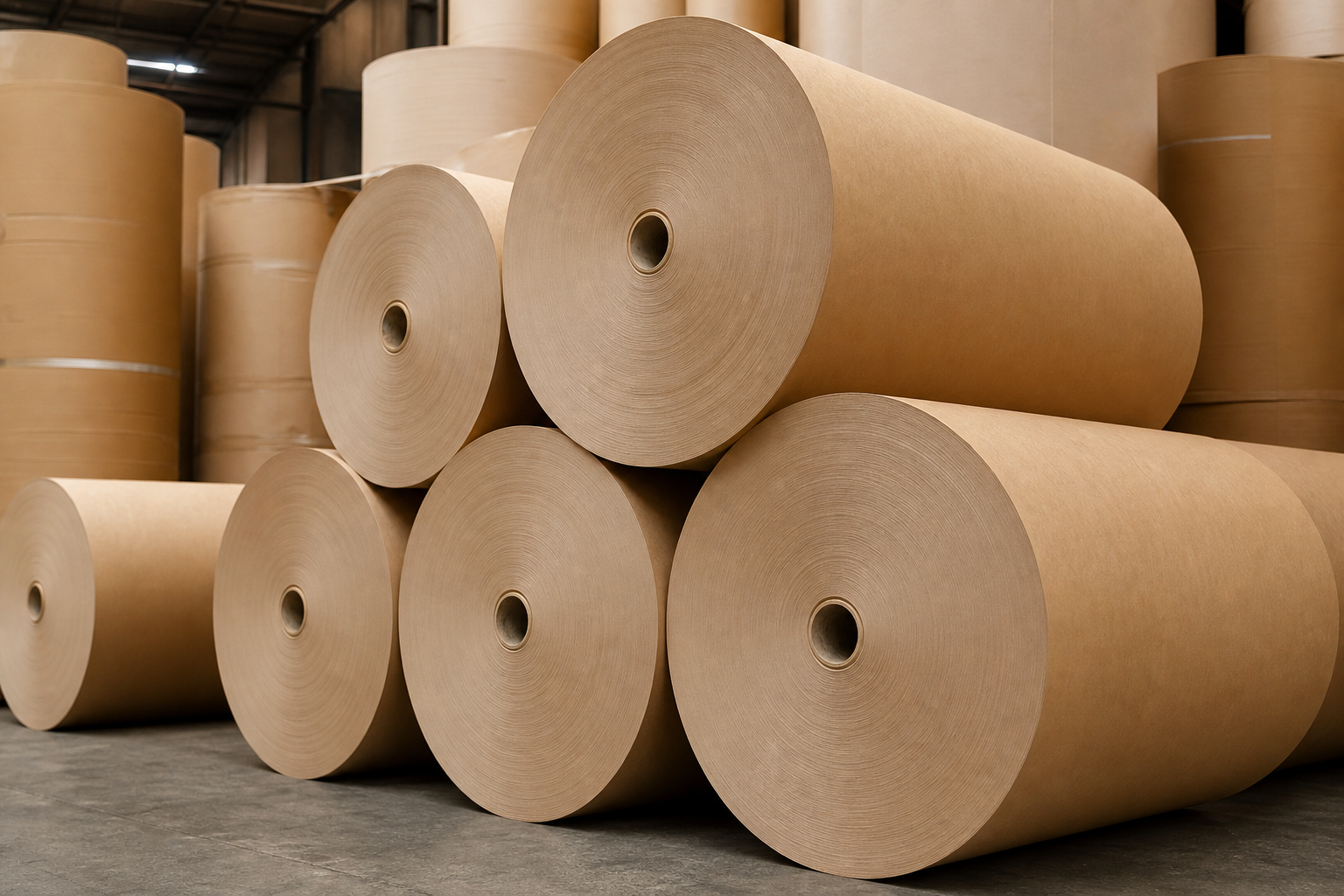
Natural shade craft paper
Classic brown craft paper for corrugated, wrapping, and industrial packaging.
View specifications →Nexa Papers manufactures two primary craft paper shades—natural and golden—within controlled burst factor and GSM ranges. Both grades are supplied in reel form from our Morbi mill, with dimensions and packing agreed at order stage. Select a product below for detailed specifications, typical applications, and enquiry options.
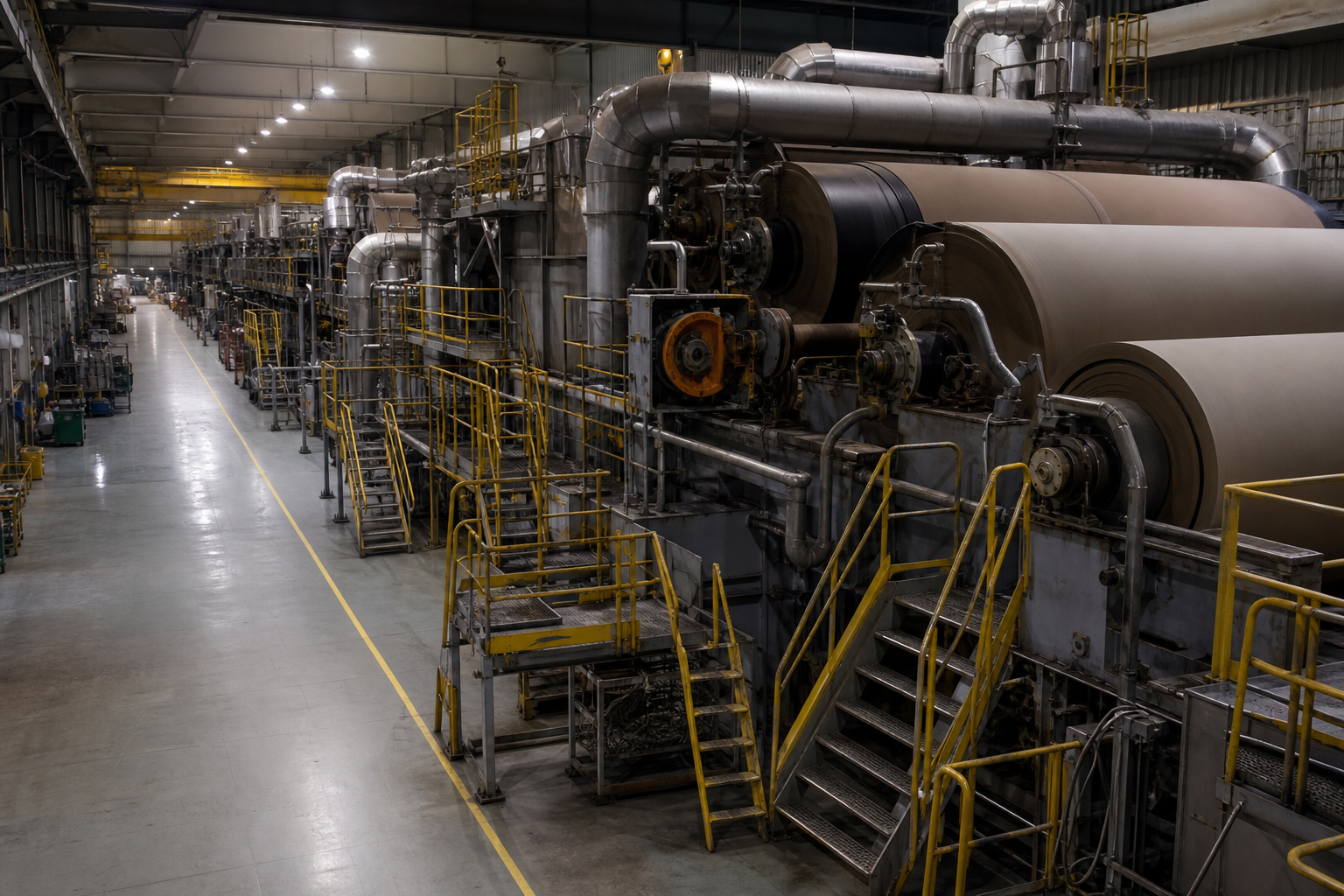
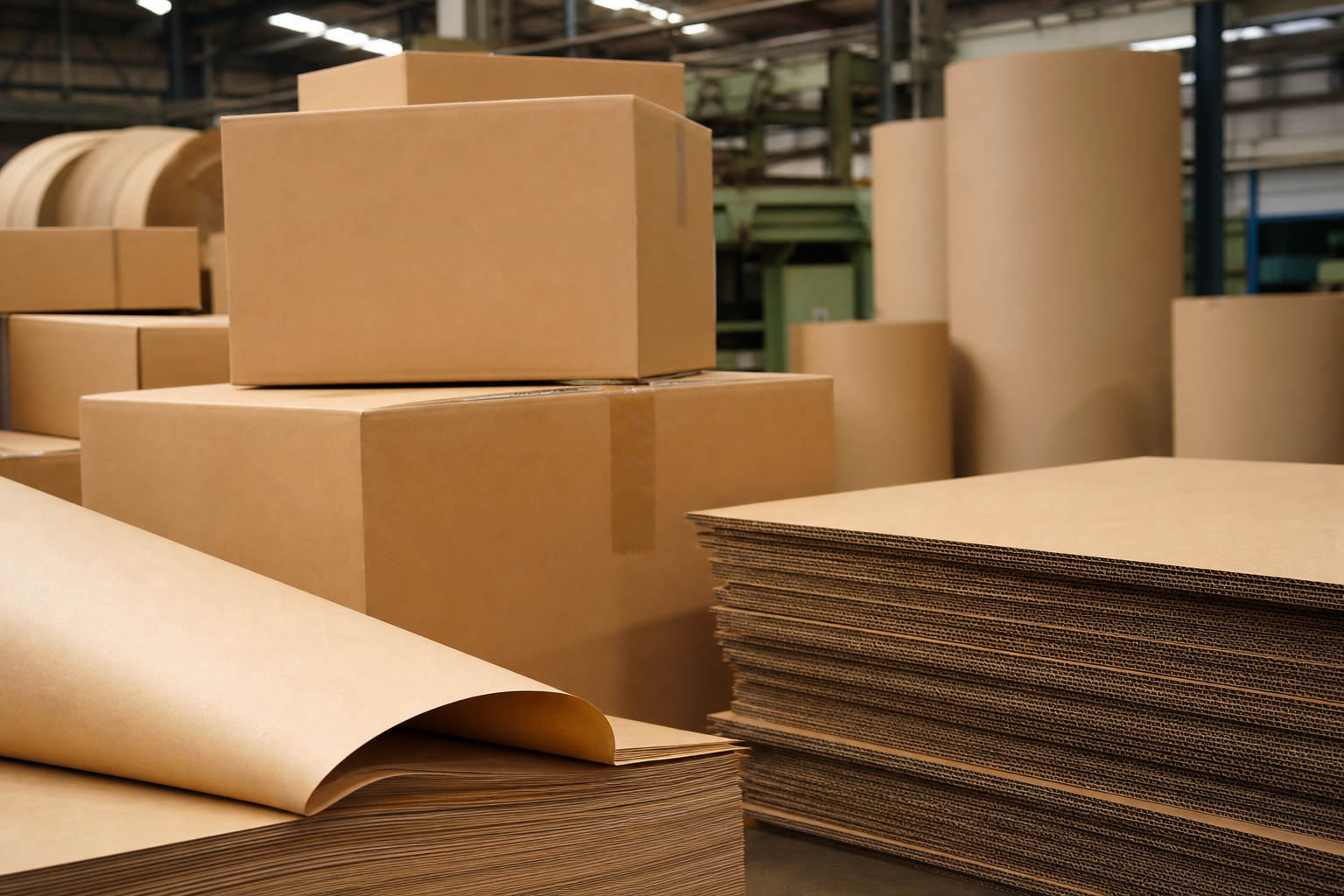
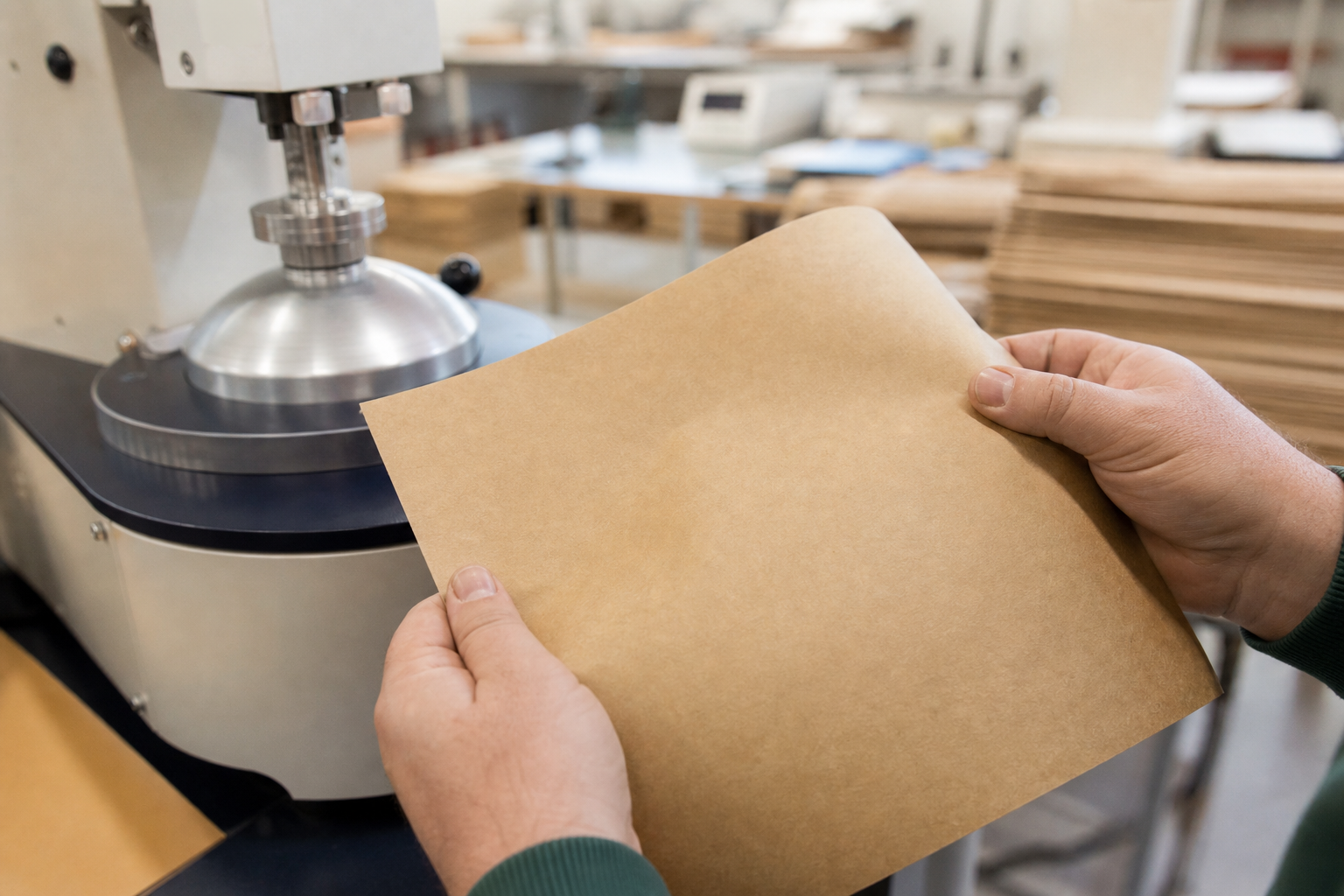
Start from your box design and corrugator capability, then map to BF, GSM, and shade. Natural shade is typically chosen for medium and cost-sensitive liners; golden shade for customer-visible liners and retail cartons. Many programmes combine both from a single mill so shade lots stay coordinated.
Share flute profile, target BF/GSM, reel width, and monthly volume when enquiring. Our operations desk confirms whether the grade is in regular production or requires a trial slot at our 150 MT/day facility.
Classic brown craft paper for corrugated, wrapping, and industrial packaging.
View specifications →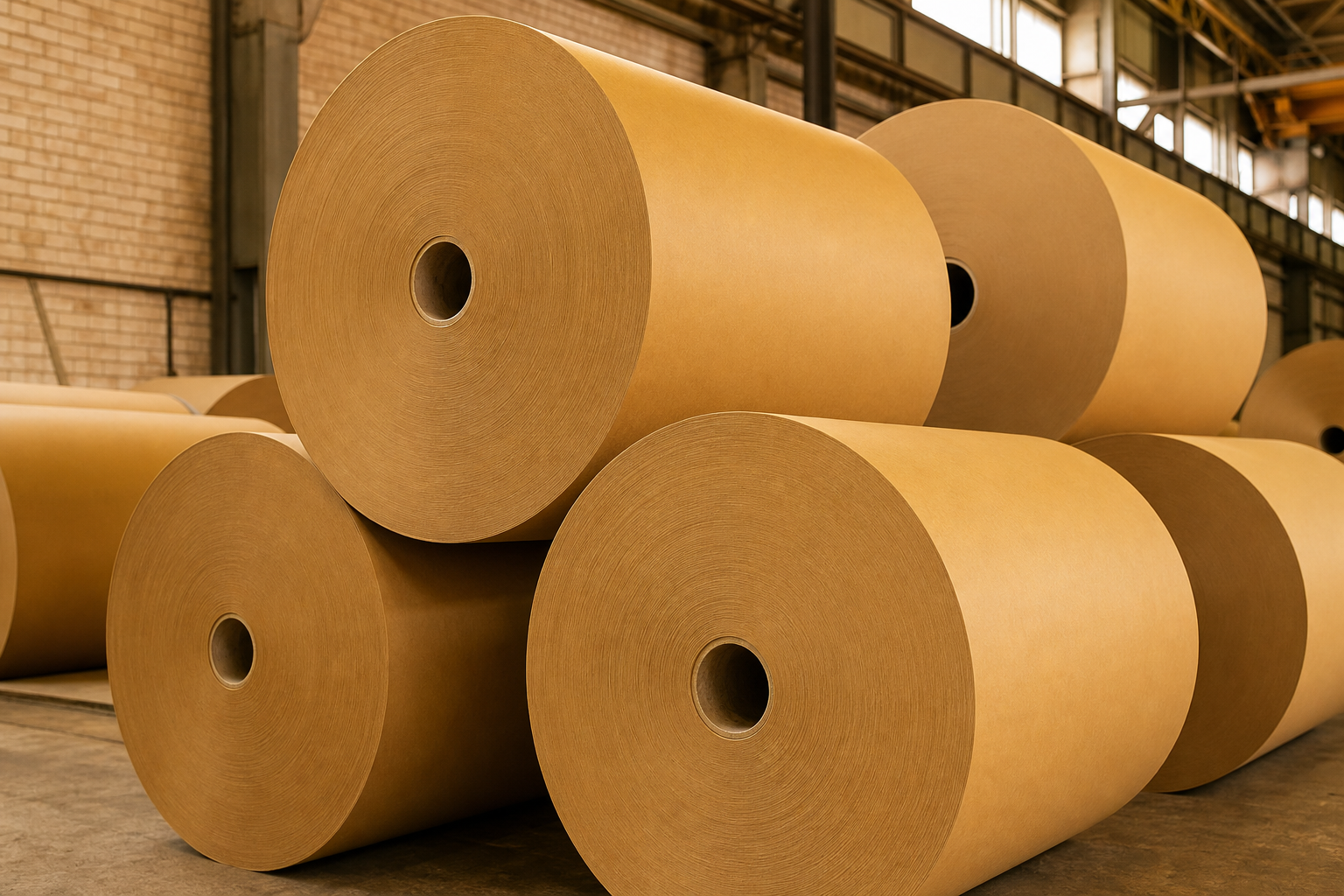
Warm golden tone with consistent strength for premium packaging applications.
View specifications →Common ranges across both shades—confirm exact grades with our operations team.
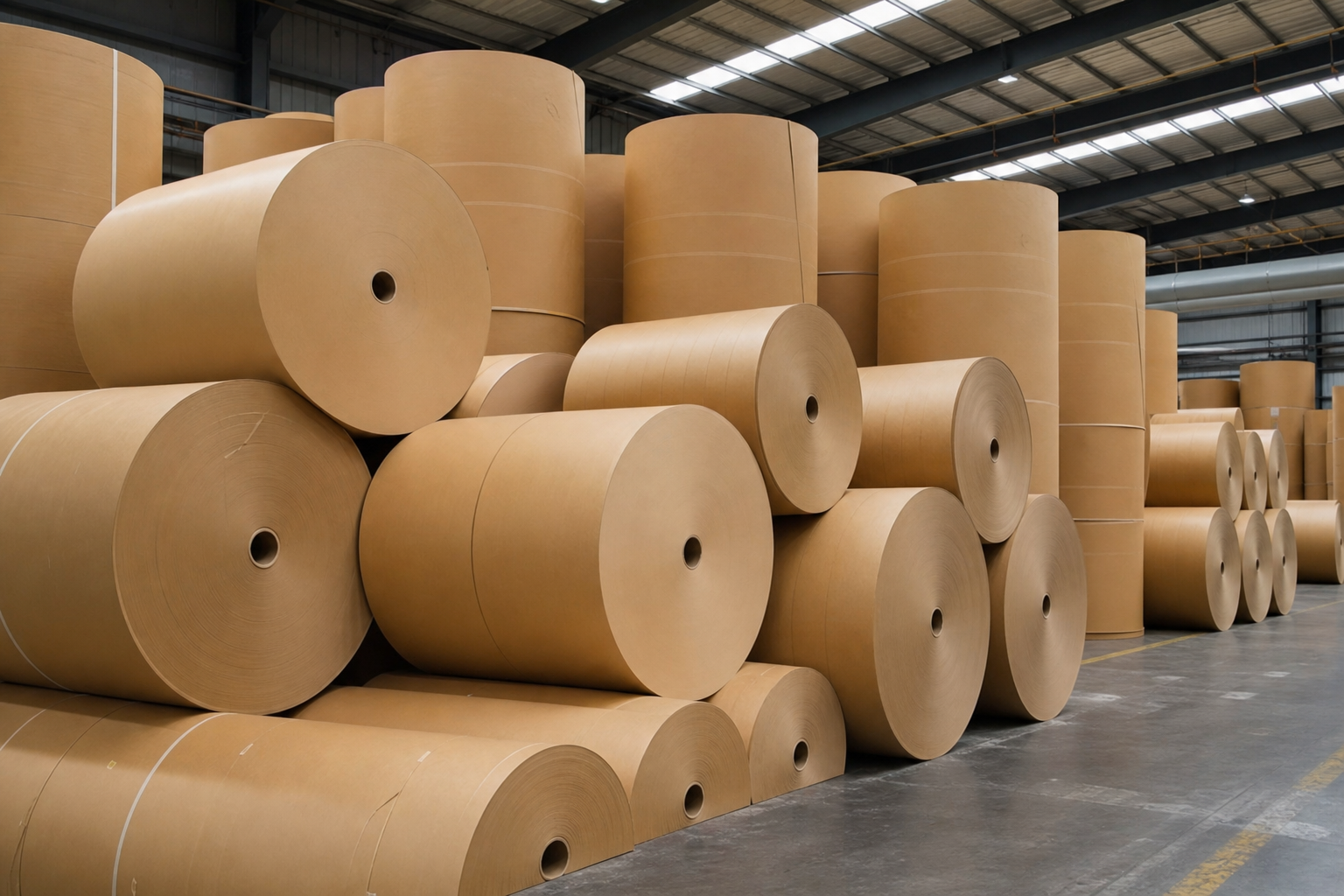
Nexa Papers manufactures natural and golden shade craft paper on a single site in Morbi, so converters can align medium and liner grades without juggling multiple mills. With 150 MT per day of capacity and disciplined BF 12–20 and GSM 90–180 ranges, we support repeat orders—not only spot lots.
Share your corrugator width, flute profile, and target board performance when enquiring. Our operations team confirms reel dimensions, loading windows, and whether a trial run is needed before you commit to a programme.
Natural shade is widely used for corrugated medium, industrial liners, and agri-cartons where strength per rupee matters. Golden shade is specified when shelf appearance, print contrast on brown board, or brand guidelines require a warmer, more uniform tone.
Both shades are produced within the same BF and GSM bands so you can engineer board combinations without maintaining two unrelated specification systems. Read our articles on BF and GSM selection for more detail.